Wildlife Photographer
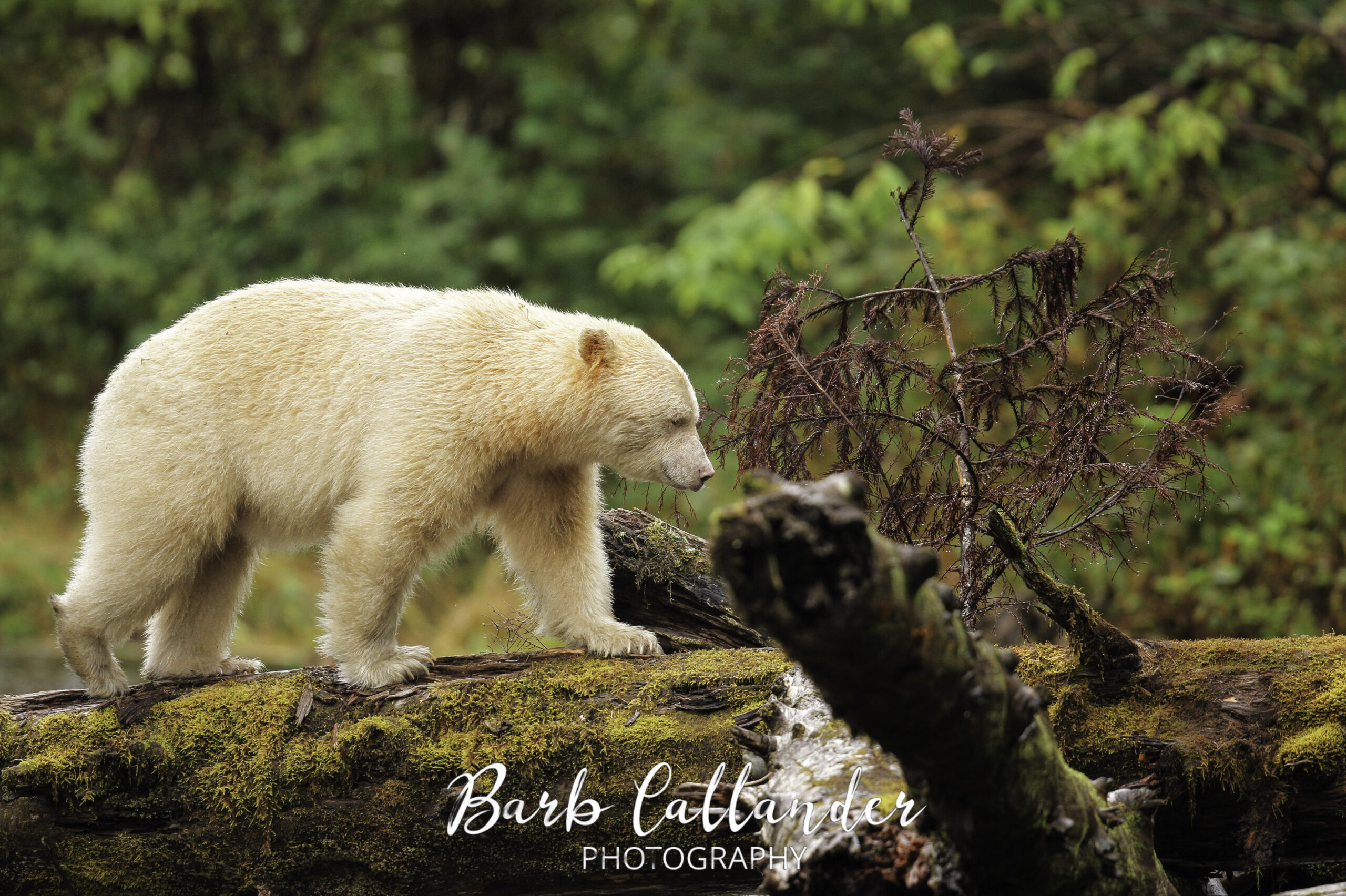
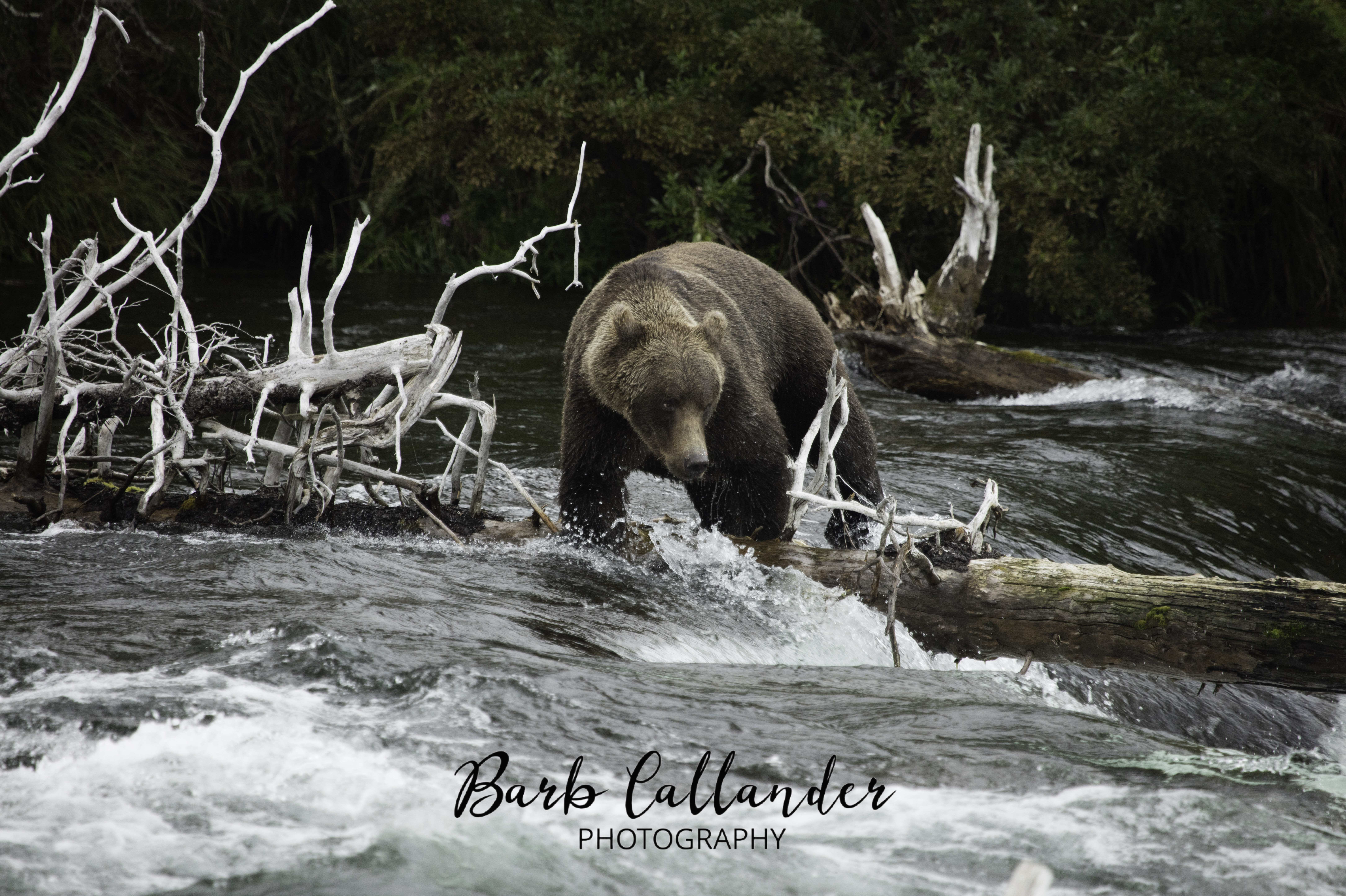
“The bear is what we think of when we are alone in the woods at night.” (Marion Kilson). Each First Nations’ cultural view of the bear varies but at the core the bear is known as the protector of the animal kingdom. It’s the most powerful coastal animal representing courage and strength and is seen as a healer and protector.
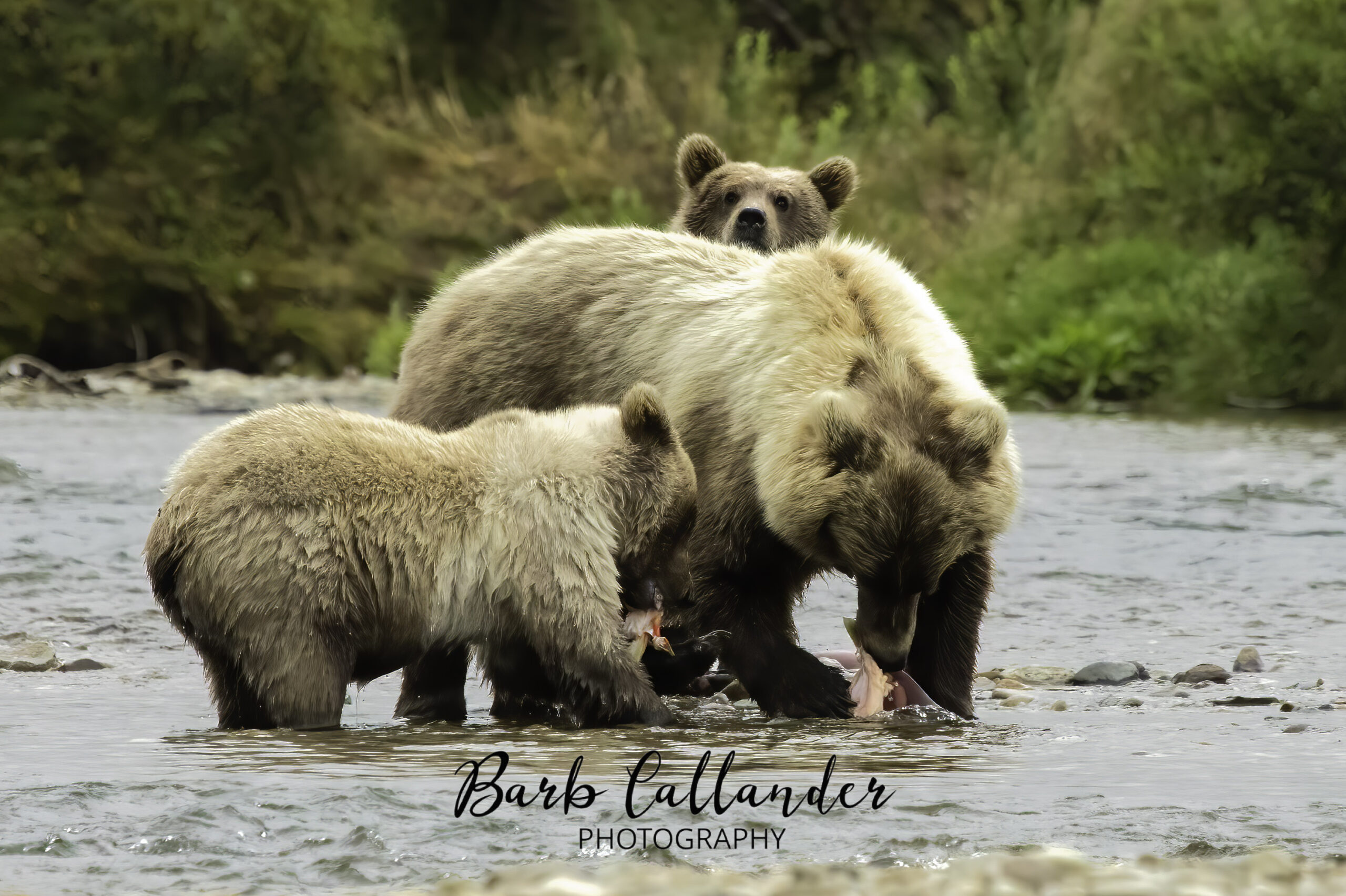
Bears are important to the ecosystems they inhabit. As apex predators, they help maintain a balanced and healthy population of other animals by controlling species such as deer and elk, preventing overgrazing and ensuring plant diversity. Their foraging habits aid in seed dispersal, fostering forest growth and contributing to a dynamic, thriving ecosystem. Bears also play a critical role in nutrient recycling as they often feed on salmon in coastal areas, transporting nutrients from the rivers back to the forest. This sustains both terrestrial and aquatic ecosystems. Beyond their ecological impact, bears are culturally significant across various societies and are emblematic of wilderness, strength, and resilience. Protecting bears means preserving biodiversity and ensuring the health of our natural environments.